
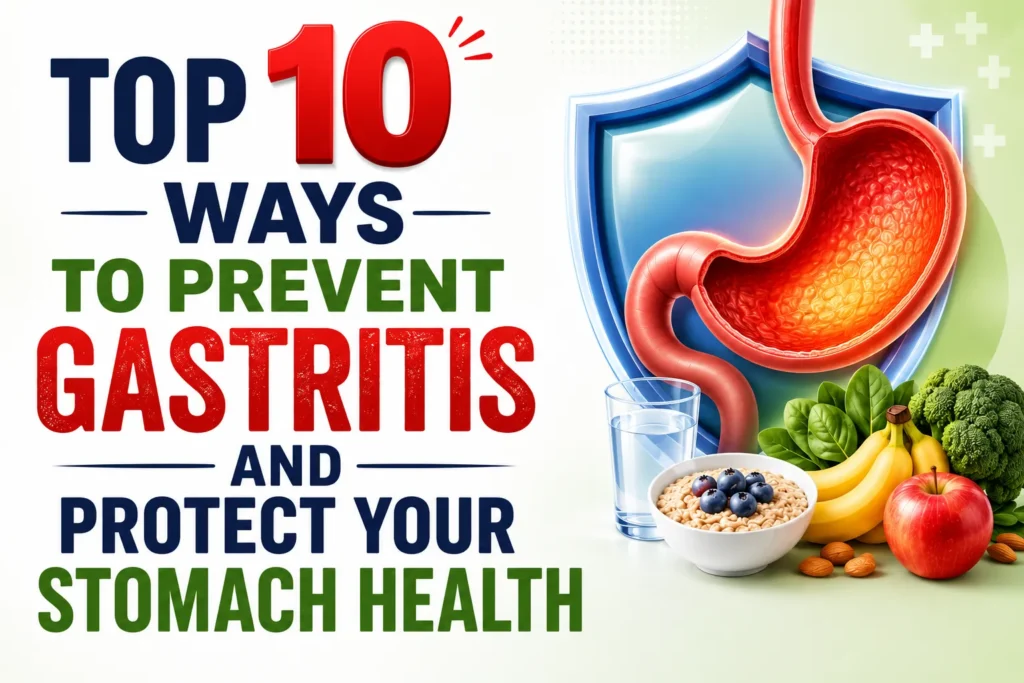
Gastritis is a common digestive condition that occurs when the lining of the stomach becomes inflamed or irritated. While many people associate gastritis with occasional acidity or indigestion, untreated inflammation can lead to chronic discomfort, stomach ulcers, bleeding, and other digestive complications.
Modern lifestyle habits such as irregular meal timings, excessive consumption of spicy foods, stress, smoking, alcohol intake, and frequent use of certain medications have contributed to the growing number of gastritis cases worldwide. Fortunately, many cases can be prevented through healthy lifestyle choices and proper digestive care.
Understanding how to protect your stomach lining and avoid common triggers can significantly reduce the risk of developing gastritis. This guide highlights top 10 ways to prevent gastritis and protect your stomach health.
Why Is Gastritis Prevention Important?
The stomach lining serves as a protective barrier against digestive acids. When this barrier becomes weakened, inflammation may develop, causing symptoms such as abdominal pain, bloating, nausea, heartburn, and indigestion.
Preventing gastritis can help:
- Reduce stomach irritation
- Improve digestive function
- Lower the risk of stomach ulcers
- Prevent chronic digestive discomfort
- Promote better nutrient absorption
- Support overall gastrointestinal health
Adopting preventive habits early can help protect the stomach and improve quality of life.
Top 10 Ways to Prevent Gastritis
Let’s explore the top 10 ways to prevent gastritis and protect your stomach health:
Eat Balanced and Regular Meals
One of the most effective ways to prevent gastritis is maintaining consistent eating habits. Skipping meals or eating at irregular times can increase stomach acid production and irritate the stomach lining. Consuming balanced meals throughout the day helps regulate digestion, protects the stomach, and reduces the risk of inflammation.
Helpful habits include:
- Eating meals on time
- Avoiding prolonged fasting
- Consuming balanced portions
- Including fibre-rich foods
- Avoiding overeating
Limit Spicy, Oily, and Processed Foods
Excessive consumption of spicy, fried, and heavily processed foods can irritate the stomach lining and worsen digestive symptoms. While occasional consumption may not cause problems for everyone, frequent intake can increase the risk of stomach irritation and discomfort.
Foods to limit include:
- Deep-fried foods
- Highly spicy dishes
- Processed snacks
- Fast food
- Excessively oily meals
Choose fresh and minimally processed foods whenever possible.
Stay Hydrated Throughout the Day
Proper hydration supports digestion and helps maintain the protective mucus layer that lines the stomach. Drinking adequate water throughout the day can promote digestive health and reduce irritation caused by concentrated stomach acids.
Benefits of staying hydrated include:
- Improved digestion
- Better nutrient absorption
- Reduced stomach irritation
- Enhanced overall gastrointestinal function
Aim to drink sufficient water based on your daily activity level and climate.
Manage Stress Effectively
Chronic stress can negatively affect digestive health and contribute to increased acid production. Emotional stress may worsen symptoms such as indigestion, bloating, and stomach discomfort, making stress management an important part of gastritis prevention.
Effective stress-reduction techniques include:
- Meditation
- Yoga
- Deep breathing exercises
- Walking
- Mindfulness practices
- Adequate sleep
Maintaining emotional wellbeing supports both stomach health and overall wellness.
Avoid Excessive Alcohol Consumption
Alcohol can directly irritate the stomach lining and weaken its natural protective barrier. Frequent or excessive alcohol intake increases the likelihood of inflammation and long-term digestive problems.
Reducing alcohol consumption can help:
- Protect the stomach lining
- Reduce acid irritation
- Lower inflammation
- Improve digestive function
Individuals with recurring digestive symptoms should consider limiting or avoiding alcohol completely.
Quit Smoking
Smoking can damage the stomach lining, reduce blood flow to digestive tissues, and interfere with the healing process. It may also increase acid production and worsen digestive symptoms.
Benefits of quitting smoking include:
- Improved stomach protection
- Better circulation to digestive tissues
- Reduced inflammation
- Enhanced healing capacity
Avoiding tobacco products is one of the most important steps for maintaining digestive health.
Use Medications Responsibly
Certain medications, particularly non-steroidal anti-inflammatory drugs (NSAIDs), can irritate the stomach lining when used frequently or for prolonged periods. Taking medications only as prescribed and under medical supervision can help reduce the risk of gastritis.
Common medications that may affect the stomach include:
- Aspirin
- Ibuprofen
- Naproxen
- Certain pain relievers
Always consult a healthcare professional before long-term medication use.
Practice Good Food Hygiene
Infections caused by bacteria such as Helicobacter pylori (H. pylori) are among the leading causes of chronic gastritis. Practising proper food hygiene can help reduce the risk of infection and protect digestive health.
Important food safety practices include:
- Washing hands before meals
- Drinking clean water
- Properly cooking food
- Washing fruits and vegetables
- Avoiding contaminated food sources
Good hygiene plays a key role in preventing stomach infections.
Maintain a Healthy Weight
Excess body weight can increase pressure on the digestive system and contribute to acid reflux, which may irritate the stomach lining. Maintaining a healthy weight supports digestive function and reduces the likelihood of gastrointestinal problems.
Healthy weight management strategies include:
- Regular physical activity
- Balanced nutrition
- Portion control
- Consistent sleep patterns
Small lifestyle changes can make a significant difference in digestive health.
Schedule Regular Health Check-Ups
Routine medical evaluations can help identify digestive issues before they become more serious. Persistent symptoms such as abdominal pain, bloating, nausea, or frequent acidity should never be ignored.
Regular check-ups may help:
- Detect stomach problems early
- Identify H. pylori infections
- Monitor chronic digestive conditions
- Prevent complications
Early intervention often leads to better treatment outcomes and improved long-term health.
Foods That Support Stomach Health
Certain foods may help protect the stomach lining and support healthy digestion.
Beneficial foods include:
- Bananas
- Oatmeal
- Brown rice
- Boiled vegetables
- Yogurt
- Apples
- Whole grains
- Lean proteins
These foods are generally gentle on the digestive system and may help reduce irritation.
Common Habits That Increase Gastritis Risk
Several lifestyle habits can contribute to stomach inflammation and digestive discomfort.
Risk factors include:
- Skipping meals
- Excessive alcohol consumption
- Smoking
- Chronic stress
- Frequent use of painkillers
- Poor dietary habits
- Inadequate sleep
- Untreated infections
Identifying and addressing these factors can significantly lower the risk of gastritis.
Early Signs You Should Not Ignore
Recognising symptoms early can help prevent complications.
Common warning signs include:
- Burning stomach pain
- Frequent acidity
- Bloating
- Nausea
- Indigestion
- Loss of appetite
- Feeling full quickly
If symptoms persist or worsen, medical evaluation is recommended.
When Should You See a Doctor?
Consult a healthcare professional if you experience:
- Persistent abdominal pain
- Recurring acidity
- Frequent nausea
- Vomiting
- Unexplained weight loss
- Blood in vomit or stools
- Symptoms lasting more than a few days
Prompt medical attention can help identify the underlying cause and prevent complications.
Conclusion
Preventing gastritis begins with protecting the stomach lining through healthy lifestyle choices and good digestive habits. Regular meals, proper hydration, stress management, avoiding smoking and excessive alcohol consumption, and practising food safety can significantly reduce the risk of stomach inflammation.
By following these preventive measures and paying attention to early digestive symptoms, individuals can support long-term stomach health and reduce the likelihood of complications. Simple daily habits often play the most important role in maintaining a healthy digestive system.
At SPARSH Hospital, patients receive expert care for gastritis and other digestive disorders. Consulting an experienced Gastroenterologist can help ensure accurate diagnosis, effective treatment, and long-term digestive wellness.
FAQs
What is gastritis?
Gastritis is a condition in which the stomach lining becomes inflamed or irritated. It can occur suddenly or develop gradually over time and may cause symptoms such as stomach pain, bloating, nausea, and indigestion.
Can gastritis be prevented?
Yes, many cases can be prevented through healthy lifestyle habits such as eating balanced meals, avoiding excessive alcohol consumption, quitting smoking, managing stress, and practising good food hygiene.
What foods should I avoid to prevent gastritis?
To reduce the risk of stomach irritation, it is advisable to limit spicy foods, fried foods, processed snacks, excessive caffeine, alcohol, and highly acidic foods that may aggravate the stomach lining.
Does stress increase the risk of gastritis?
Yes, chronic stress can affect digestive function and may increase stomach acid production, potentially contributing to stomach irritation and inflammation in some individuals.
When should I seek medical help for gastritis symptoms?
You should consult a doctor if you experience persistent abdominal pain, frequent acidity, nausea, vomiting, unexplained weight loss, or symptoms that do not improve with lifestyle changes. Early diagnosis can help prevent complications and support effective treatment.