
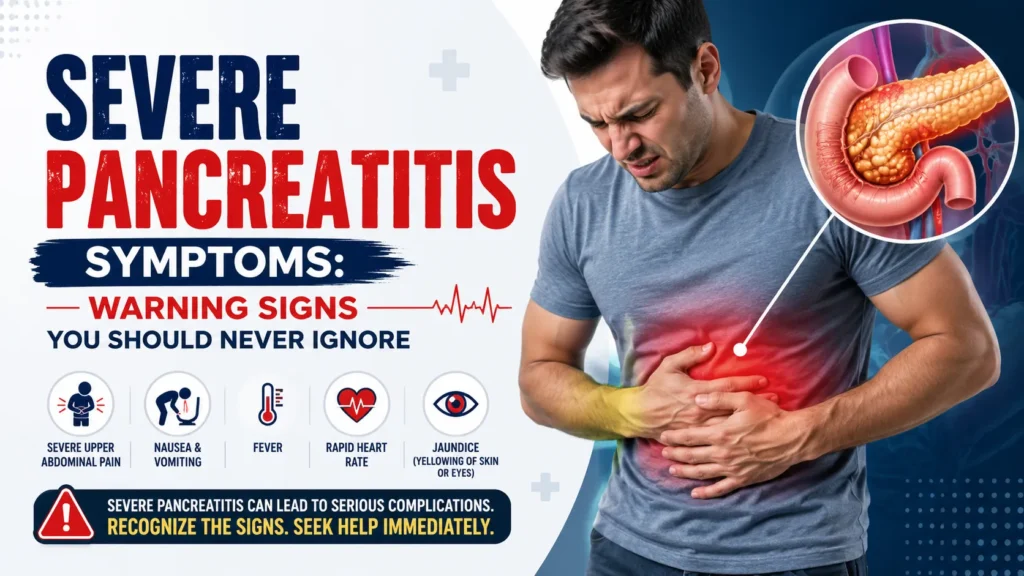
Severe abdominal pain that suddenly develops and continues to worsen is not always related to simple indigestion or acidity. In some cases, it may be a sign of pancreatitis, a serious inflammatory condition that requires immediate medical attention.
The pancreas plays an essential role in digestion and blood sugar regulation. When the pancreas becomes inflamed, digestive enzymes can begin damaging the organ itself, leading to pain, swelling, and potentially life-threatening complications.
Pancreatitis can develop suddenly as acute pancreatitis or gradually over time as chronic pancreatitis. While mild cases may improve with treatment, severe pancreatitis can affect multiple organs and become a medical emergency if left untreated.
Because early symptoms are often mistaken for gastric discomfort, recognising the warning signs early is extremely important. Timely diagnosis and treatment can significantly improve recovery outcomes and reduce complications.
This guide explains the Severe Pancreatitis Symptoms and causes, progression, complications, diagnosis, and treatment options for pancreatitis, along with warning signs that require urgent medical care.
What Is Pancreatitis?
Pancreatitis is inflammation of the pancreas, a gland located behind the stomach. The pancreas produces digestive enzymes that help break down food and hormones such as insulin that regulate blood sugar levels.
Normally, digestive enzymes become active only after reaching the small intestine. In pancreatitis, these enzymes activate prematurely inside the pancreas, causing irritation and inflammation of pancreatic tissues.
The condition can range from mild inflammation to severe pancreatic damage.
Types of Pancreatitis
Pancreatitis is broadly classified into two main types based on how quickly it develops, how long it lasts, and the extent of damage it causes to the pancreas. Understanding the differences between these forms is important for timely diagnosis, appropriate treatment, and long-term management.
Acute Pancreatitis
Acute pancreatitis develops suddenly and is characterised by rapid inflammation of the pancreas. Symptoms often appear within a few hours and can range from mild discomfort to a severe medical emergency requiring intensive care.
Key characteristics include:
- Sudden onset of severe upper abdominal pain
- Pain that may radiate to the back or shoulders
- Symptoms that worsen after eating, particularly fatty meals
- Nausea and repeated vomiting
- Fever and increased heart rate
- Abdominal tenderness and bloating
- Symptoms lasting from a few days to several weeks
In mild cases, inflammation resolves completely with supportive treatment and rest. However, severe episodes can lead to significant complications, including:
- Pancreatic tissue damage
- Infection within the pancreas
- Fluid accumulation around the organ
- Internal bleeding
- Breathing difficulties
- Kidney dysfunction
- Multi-organ failure in critical situations
Certain factors increase the risk of developing a severe episode, including gallstones, heavy alcohol consumption, obesity, high triglyceride levels, and delayed medical treatment.
With early diagnosis and appropriate medical care, many patients recover fully without long-term complications.
Chronic Pancreatitis
Chronic pancreatitis is a long-term progressive condition that develops when repeated episodes of inflammation gradually damage pancreatic tissue. Unlike acute inflammation, the changes are often permanent and can significantly affect both digestive and hormonal functions.
Important characteristics include:
- Persistent or recurring abdominal pain
- Symptoms that may continue for months or years
- Gradual destruction of pancreatic tissue
- Formation of scar tissue within the pancreas
- Progressive loss of digestive enzyme production
- Reduced insulin production over time
As the condition advances, patients may experience several complications related to impaired digestion and nutrient absorption, including:
- Frequent digestive discomfort
- Difficulty breaking down fats and proteins
- Oily, greasy, or foul-smelling stools
- Unintentional weight loss
- Vitamin and mineral deficiencies
- Loss of appetite
- Chronic fatigue and weakness
Long-term damage may also affect the body’s ability to regulate blood sugar levels, increasing the risk of:
- Type 3c diabetes (pancreatic diabetes)
- Unstable blood glucose levels
- Increased dependence on insulin therapy
Common risk factors associated with this condition include:
- Long-term alcohol use
- Smoking
- Genetic disorders
- Autoimmune conditions
- Recurrent pancreatic inflammation
- Structural abnormalities of the pancreatic ducts
Because symptoms often develop gradually, many individuals may not seek medical attention until significant damage has already occurred. Early diagnosis, lifestyle modifications, nutritional support, and ongoing medical management are essential to slow disease progression and improve quality of life.
What Causes Pancreatitis?
What Causes Pancreatitis?
Pancreatitis occurs when digestive enzymes become activated inside the pancreas instead of the small intestine. These enzymes begin irritating and damaging pancreatic tissue, triggering inflammation that can range from mild and temporary to severe and life-threatening. While the exact cause varies from person to person, several medical conditions, lifestyle factors, and underlying health issues can increase the risk of developing this condition.
Understanding the underlying cause is essential because effective treatment often depends on addressing the trigger responsible for the inflammation.
Gallstones
Gallstones are one of the leading causes of acute pancreatitis. These small, hardened deposits form in the gallbladder and can sometimes travel into the bile ducts. When a stone blocks the pancreatic duct, digestive enzymes become trapped within the pancreas, leading to inflammation.
Characteristics associated with gallstone-related cases include:
- Sudden onset of severe upper abdominal pain
- Pain that may develop after eating a fatty meal
- Pain radiating to the back or right shoulder
- Nausea and vomiting
- Episodes that occur without warning
- Increased risk among women and older adults
Individuals with a history of gallstones or gallbladder disease are at higher risk of experiencing recurrent episodes if the underlying blockage is not treated.
Excessive Alcohol Consumption
Long-term and excessive alcohol use is another major cause of pancreatic inflammation. Alcohol can damage pancreatic cells, alter enzyme production, and increase the likelihood of enzyme activation within the gland itself.
Common characteristics include:
- History of heavy or prolonged alcohol consumption
- Recurrent abdominal pain
- Symptoms that worsen over time
- Increased risk of chronic pancreatic damage
- Digestive disturbances and weight loss in advanced stages
The risk generally increases with the amount and duration of alcohol intake, although some individuals may develop inflammation even with moderate consumption.
High Triglyceride Levels
Triglycerides are a type of fat found in the bloodstream. Extremely high triglyceride levels can trigger inflammation and significantly increase the risk of severe pancreatic injury.
Factors that may contribute to elevated triglycerides include:
- Obesity
- Poor dietary habits
- Uncontrolled diabetes
- Excessive alcohol intake
- Genetic lipid disorders
People with very high triglyceride levels may experience severe symptoms and require urgent medical treatment to prevent complications.
Certain Medications
Although uncommon, some medications may contribute to pancreatic inflammation as a side effect. The risk may increase with long-term use, higher doses, or individual sensitivity to certain drugs.
Examples include medications used for:
- High blood pressure
- Autoimmune disorders
- Epilepsy
- Certain infections
- Cancer treatment
Patients should never stop prescribed medications without medical advice, but unexplained symptoms should be discussed with a healthcare provider.
Smoking
Smoking is increasingly recognised as an independent risk factor for pancreatic disease. Harmful chemicals in tobacco can damage pancreatic tissue and increase inflammation over time.
Smoking-related characteristics include:
- Higher risk of recurrent episodes
- Increased likelihood of chronic disease
- Faster progression of pancreatic damage
- Greater risk when combined with alcohol consumption
Quitting smoking can significantly reduce future complications and improve overall pancreatic health.
Genetic Factors and Inherited Conditions
Some individuals may have a genetic predisposition that makes them more vulnerable to pancreatic inflammation. Certain inherited conditions can affect enzyme regulation, increasing the risk of recurrent episodes from a young age.
Genetic factors may be suspected when:
- Symptoms occur at an early age
- Multiple family members have similar conditions
- Recurrent episodes occur without an obvious cause
- Other inherited digestive disorders are present
In such cases, specialised testing may help identify the underlying cause.
Autoimmune Disorders
In some individuals, the body’s immune system mistakenly attacks healthy pancreatic tissue, resulting in inflammation. This form is known as autoimmune pancreatitis and may occur alone or alongside other autoimmune diseases.
Associated conditions may include:
- Autoimmune thyroid disease
- Inflammatory bowel disease
- Sjögren’s syndrome
- Primary sclerosing cholangitis
Early diagnosis is important because autoimmune-related inflammation often responds well to specific medical therapies.
Abdominal Trauma or Injury
Physical injury to the abdomen can sometimes damage the pancreas and trigger inflammation. This may occur due to:
- Road traffic accidents
- Sports injuries
- Falls
- Surgical procedures
- Medical interventions involving the bile ducts
Symptoms may not appear immediately after the injury, making careful monitoring important.
Infections
Certain viral, bacterial, and parasitic infections can cause inflammation of pancreatic tissue. Although less common than gallstones or alcohol-related causes, infections remain an important trigger.
Examples include:
- Mumps
- Hepatitis viruses
- Cytomegalovirus
- Certain gastrointestinal infections
Prompt treatment of the underlying infection may help reduce complications.
Structural Abnormalities of the Pancreatic Ducts
Some people are born with abnormalities in the pancreatic or bile ducts that affect the normal flow of digestive enzymes. When drainage becomes impaired, inflammation may develop repeatedly.
Potential abnormalities include:
- Narrowed ducts
- Congenital duct variations
- Pancreatic duct obstruction
- Tumours causing blockage
Imaging studies are often required to identify these structural problems.
Uncontrolled Diabetes and Metabolic Disorders
Metabolic conditions can contribute to pancreatic inflammation by affecting blood sugar levels, fat metabolism, and overall digestive function.
Risk factors include:
- Poorly controlled diabetes
- Severe obesity
- Metabolic syndrome
- High cholesterol levels
Managing these conditions effectively may reduce the risk of future episodes.
Pancreatic Tumours and Obstructions
In rare cases, tumours or abnormal growths may block the pancreatic ducts and interfere with the normal movement of digestive enzymes.
Warning signs may include:
- Persistent abdominal pain
- Unexplained weight loss
- Jaundice
- Changes in appetite
- Recurrent episodes without a clear cause
Further evaluation is often required to determine whether an obstruction is contributing to symptoms.
Idiopathic Cases
Despite modern diagnostic techniques, the exact cause cannot always be identified. These cases are referred to as idiopathic pancreatitis.
Characteristics include:
- No obvious gallstones or alcohol history
- Normal imaging findings
- Recurrent symptoms without a clear explanation
- Need for specialised investigations
Ongoing monitoring may help identify hidden causes over time.
Major Risk Factors That Increase the Likelihood of Pancreatic Inflammation
Several factors can increase an individual’s overall risk, including:
- Gallstones
- Excessive alcohol consumption
- Smoking
- High triglyceride levels
- Obesity
- Family history
- Autoimmune disorders
- Certain medications
- Abdominal trauma
- Metabolic diseases
Understanding and managing these risk factors can play a crucial role in preventing future episodes and protecting long-term pancreatic health.
Early Symptoms of Pancreatitis
Pancreatitis symptoms can vary depending on the severity of inflammation.
Common Early Symptoms Include:
- Upper abdominal pain
- Pain after eating
- Nausea
- Vomiting
- Loss of appetite
- Fever
- Bloating
- Increased heart rate
The pain may begin suddenly and gradually worsen over time.
Severe Pancreatitis Symptoms That Need Urgent Care
Severe pancreatitis can progress rapidly and may become life-threatening without timely treatment.
Warning Signs of Severe Pancreatitis:
Severe Upper Abdominal Pain
Persistent and intense upper abdominal pain is often the earliest and most noticeable warning sign. Unlike ordinary indigestion or gastric discomfort, this pain tends to be severe and progressively worsens over time.
Common characteristics include:
- Sudden onset of sharp or deep abdominal pain
- Pain located in the upper middle or left side of the abdomen
- Discomfort that intensifies after meals, especially fatty foods
- Pain that radiates to the back, chest, or shoulders
- Symptoms that do not improve with rest or over-the-counter medications
- Difficulty standing upright due to pain severity
- Tenderness when the abdomen is touched
Pain that continues for several hours or becomes increasingly severe should never be ignored.
Persistent Nausea and Repeated Vomiting
Digestive distress often accompanies pancreatic inflammation. Repeated vomiting can quickly lead to dehydration and electrolyte imbalances, particularly when the body is unable to retain food or fluids.
Warning signs include:
- Continuous nausea throughout the day
- Frequent episodes of vomiting
- Inability to tolerate meals or liquids
- Dry mouth and excessive thirst
- Dizziness or light-headedness
- Signs of dehydration such as fatigue and weakness
Persistent vomiting often indicates significant inflammation and requires prompt medical care.
Fever and Rapid Heart Rate
The development of fever may indicate that inflammation is becoming more severe or that an infection is developing within the pancreas or surrounding tissues.
Symptoms may include:
- Elevated body temperature
- Chills or excessive sweating
- Increased heart rate even while resting
- Generalised weakness
- Feeling unusually unwell or exhausted
A combination of abdominal pain, fever, and a rapid pulse should be treated as a medical emergency.
Abdominal Swelling and Tenderness
As inflammation worsens, fluid accumulation and tissue irritation can cause the abdomen to become swollen, firm, or painful to touch.
Signs to watch for include:
- Visible abdominal bloating
- Tightness or pressure in the stomach area
- Pain when moving, coughing, or bending
- Increased sensitivity when the abdomen is touched
- Feeling unusually full despite eating very little
Significant abdominal swelling may indicate complications that require urgent assessment.
Difficulty Breathing
Severe inflammation can affect nearby organs and may interfere with normal lung function. Breathing problems are considered a serious warning sign and require immediate medical attention.
Symptoms may include:
- Shortness of breath
- Rapid breathing
- Difficulty taking deep breaths
- Chest discomfort
- Feeling breathless even at rest
Respiratory symptoms can indicate that the condition is affecting other vital organs.
Confusion, Dizziness, or Reduced Alertness
Changes in mental status may occur when inflammation becomes severe and begins affecting overall body function.
Concerning symptoms include:
- Sudden confusion
- Difficulty concentrating
- Drowsiness or unusual sleepiness
- Dizziness when standing
- Reduced awareness of surroundings
- Fainting episodes
These symptoms may suggest infection, low blood pressure, dehydration, or organ dysfunction and should be evaluated immediately.
Reduced Urine Output
A noticeable decrease in urination may indicate dehydration, poor circulation, or kidney involvement.
Warning signs include:
- Passing very little urine
- Dark-coloured urine
- Long periods without urination
- Increased thirst
- Dry skin and lips
- Extreme fatigue
Reduced urine output is often a sign that the body is struggling to maintain normal organ function.
Yellowing of the Skin or Eyes
When inflammation blocks the bile duct, bilirubin can build up in the bloodstream and cause jaundice.
Symptoms may include:
- Yellow discoloration of the eyes
- Yellowing of the skin
- Dark urine
- Pale-coloured stools
- Persistent itching
Jaundice may indicate an underlying blockage or complication that requires urgent treatment.
Signs of Shock or Organ Failure
In advanced cases, severe inflammation can trigger widespread effects throughout the body and become life-threatening.
Emergency warning signs include:
- Extremely low blood pressure
- Cold, clammy skin
- Rapid and weak pulse
- Severe breathing difficulty
- Loss of consciousness
- Extreme weakness
- Inability to stay awake
These symptoms require immediate emergency medical care and should never be delayed.
When to Seek Emergency Care
Seek urgent medical attention immediately if you experience:
- Severe abdominal pain that does not improve
- Pain spreading to the back or chest
- Persistent vomiting
- Fever with abdominal pain
- Difficulty breathing
- Confusion or dizziness
- Yellowing of the skin or eyes
- Reduced urine output
- Sudden worsening of symptoms
Prompt diagnosis and treatment can significantly reduce the risk of serious complications and improve recovery outcomes.
Symptoms of Acute vs Chronic Pancreatitis
Although both conditions affect the pancreas, their symptoms often differ.
Acute Pancreatitis Symptoms
Acute pancreatitis usually develops suddenly and may include:
- Severe abdominal pain
- Fever
- Nausea
- Vomiting
- Rapid pulse
- Abdominal tenderness
Symptoms may become severe within hours.
Chronic Pancreatitis Symptoms
Chronic pancreatitis develops gradually and commonly causes:
- Recurrent abdominal pain
- Weight loss
- Poor digestion
- Oily stools
- Nutritional deficiencies
- Diabetes in advanced stages
Pain may become persistent over time.
Complications of Untreated Pancreatitis
If left untreated, pancreatitis can lead to severe and potentially life-threatening complications.
Possible Complications Include:
- Pancreatic infection
- Pancreatic cysts
- Tissue death (necrosis)
- Internal bleeding
- Respiratory failure
- Kidney failure
- Diabetes
- Malnutrition
- Multi-organ failure
Severe pancreatitis requires immediate medical care to prevent these complications.
How Is Pancreatitis Diagnosed?
Doctors use several tests to confirm pancreatitis and determine its severity.
Blood Tests
Blood tests help measure pancreatic enzyme levels such as:
- Amylase
- Lipase
Elevated levels often indicate pancreatic inflammation.
Ultrasound Scan
Ultrasound imaging helps identify:
- Gallstones
- Swelling
- Pancreatic abnormalities
CT Scan
A CT scan provides detailed images of the pancreas and helps detect:
- Tissue damage
- Infection
- Fluid accumulation
- Complications
MRI Scan
MRI scans help evaluate pancreatic ducts and surrounding tissues more clearly.
Early diagnosis helps doctors begin treatment quickly and reduce complications.
Treatment Options for Pancreatitis
Effective treatment for pancreatitis depends on the severity of the condition, underlying cause, and the presence of complications. Early medical intervention helps reduce inflammation, relieve symptoms, prevent organ damage, and improve recovery outcomes.
The treatment approach for pancreatitis depends on the severity of inflammation, underlying cause, and overall health of the patient. Common management options include:
- Hospitalisation and Monitoring: Most patients with acute pancreatitis require hospital admission for close observation, monitoring of vital signs, and management of potential complications.
- Intravenous Fluid Therapy: IV fluids help maintain hydration, support blood circulation, prevent organ dysfunction, and reduce the risk of complications.
- Pain Management: Doctors prescribe pain-relieving medications to control severe abdominal pain, improve comfort, and aid recovery.
- Nutritional Support: Temporary fasting, liquid diets, or specialised nutritional support may be recommended to allow the pancreas to rest and heal.
- Treatment of Gallstones: If gallstones are causing pancreatitis, procedures such as endoscopic stone removal or gallbladder surgery may be necessary.
- Management of Underlying Causes: Addressing factors such as high triglyceride levels, medication-related issues, or infections helps prevent recurrence and long-term damage.
- Endoscopic Procedures: Minimally invasive endoscopic treatments may be used to remove blockages, drain fluid collections, or treat pancreatic duct abnormalities.
- Surgical Intervention: Severe cases involving infection, pancreatic necrosis, cysts, or other complications may require surgery to remove damaged tissue and restore function.
Lifestyle Changes to Reduce Pancreatitis Risk
Healthy lifestyle habits can lower the risk of pancreatitis and prevent recurrence.
Helpful Preventive Measures
- Limit alcohol consumption
- Stop smoking
- Eat a balanced low-fat diet
- Stay hydrated
- Exercise regularly
- Maintain healthy cholesterol and triglyceride levels
- Seek early treatment for gallstones
These changes help support long-term pancreatic health.
When Should You Seek Emergency Medical Attention?
Immediate medical care is necessary if you experience:
- Severe abdominal pain
- Pain spreading to the back
- Repeated vomiting
- Fever with abdominal pain
- Difficulty breathing
- Confusion or weakness
- Rapid worsening of symptoms
Ignoring severe symptoms may increase the risk of serious complications.
Can Pancreatitis Be Cured?
The outcome depends on the type and severity of pancreatitis.
Acute Pancreatitis
Mild acute pancreatitis often improves completely with timely treatment and lifestyle changes.
Chronic Pancreatitis
Chronic pancreatitis usually cannot be completely cured because permanent damage may already exist. However, symptoms can often be managed effectively through:
- Medications
- Lifestyle changes
- Nutritional support
- Regular medical monitoring
Early intervention significantly improves long-term outcomes.
Conclusion
Pancreatitis is a serious condition that should never be ignored, especially when symptoms become severe or persistent. Early recognition of warning signs such as intense abdominal pain, nausea, vomiting, fever, and breathing difficulty can help prevent life-threatening complications.
Whether it develops as acute pancreatitis or chronic pancreatitis, timely diagnosis and structured treatment are essential for protecting pancreatic function and overall health.
At SPARSH Hospital, patients receive advanced care for pancreatic and digestive disorders through specialised diagnostic and treatment services. Consulting an experienced Gastroenterologist early can help ensure accurate diagnosis, effective treatment, and better long-term recovery.
FAQs
What is acute pancreatitis?
Acute pancreatitis is a sudden inflammation of the pancreas that develops quickly and may range from mild discomfort to a severe medical emergency. It often causes intense abdominal pain, nausea, vomiting, and fever. Many patients recover with proper treatment, but severe cases may lead to serious complications if not treated early.
What are the common symptoms of pancreatitis?
Common pancreatitis symptoms include severe upper abdominal pain, nausea, vomiting, fever, bloating, abdominal tenderness, and pain that spreads to the back. In chronic pancreatitis, patients may also experience weight loss, poor digestion, oily stools, and diabetes-related symptoms.
What causes pancreatitis?
Pancreatitis can develop due to several factors, including gallstones, excessive alcohol consumption, high triglyceride levels, certain medications, infections, abdominal trauma, and smoking. Long-term alcohol use and gallstones are among the most common causes of pancreatitis.
Is pancreatitis curable?
Mild acute pancreatitis is often treatable and may resolve completely with medications, hydration, dietary changes, and treatment of the underlying cause. However, severe or chronic pancreatitis may require long-term medical management to control symptoms and prevent complications.
Can chronic pancreatitis be cured?
Chronic pancreatitis usually cannot be completely cured because repeated inflammation may cause permanent damage to the pancreas. However, symptoms can often be managed effectively with medications, enzyme supplements, healthy lifestyle changes, pain management, and regular medical care.