
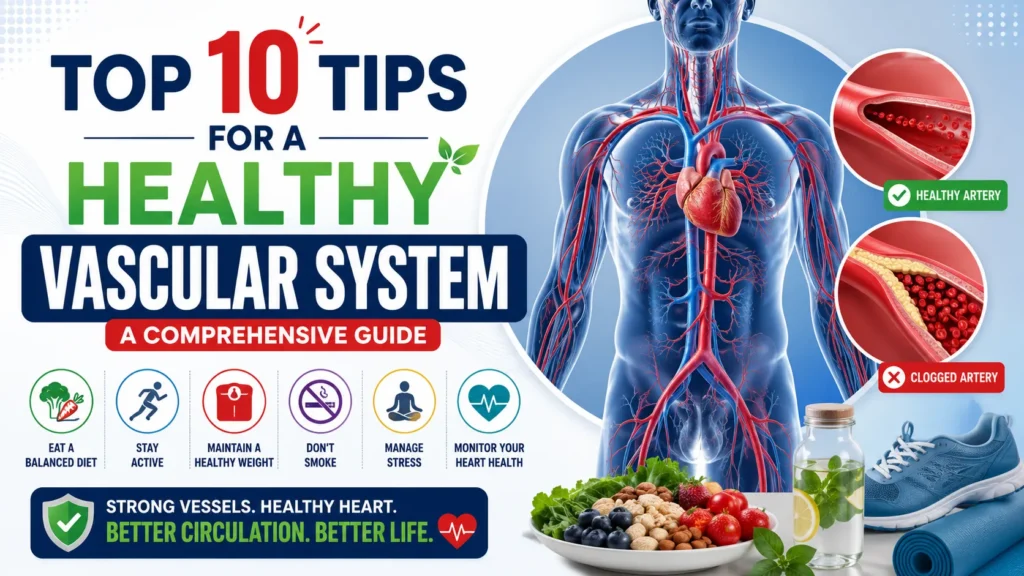
Your vascular system is one of the most important networks in the body, responsible for transporting oxygen, nutrients, hormones, and essential substances to every organ and tissue. It consists of arteries, veins, and capillaries that work together to maintain healthy blood circulation and support overall wellbeing.
A healthy vascular system is essential for proper heart function, brain health, kidney function, and mobility. However, modern lifestyle habits such as physical inactivity, unhealthy diets, smoking, obesity, and chronic conditions like diabetes and hypertension can damage blood vessels over time, increasing the risk of vascular disease.
Poor vascular health can lead to serious complications including peripheral artery disease (PAD), varicose veins, deep vein thrombosis (DVT), stroke, aneurysms, and cardiovascular disease. The good news is that many vascular problems can be prevented through healthy lifestyle choices and regular medical care.
This guide explores the top 10 tips for a healthy vascular system, helping improve circulation and reduce the risk of vascular disease.
Why Is Vascular Health Important?
Blood vessels form a complex transportation network that delivers oxygen-rich blood throughout the body and removes waste products from tissues. When blood vessels become narrowed, blocked, weakened, or damaged, circulation is affected and organs may not receive the oxygen and nutrients they need.
Healthy blood vessels help:
- Maintain proper blood circulation
- Support heart and brain function
- Reduce the risk of stroke and heart attack
- Improve wound healing
- Enhance physical performance
- Prevent blood clots
- Protect kidney function
- Promote overall longevity
Taking proactive steps to maintain vascular health can significantly improve quality of life and reduce long-term health risks.
Top 10 Expert Tips for a Healthy Vascular System
Maintaining healthy blood vessels is essential for ensuring proper circulation, supporting heart health, and reducing the risk of vascular disease. Following the right lifestyle habits can help keep arteries and veins functioning efficiently while preventing long-term complications. Below are some of the most effective Tips for a Healthy Vascular System that can support overall vascular wellness.
Stay Physically Active
Among the most important tips for a Healthy Vascular System is staying physically active on a regular basis. Exercise helps improve blood circulation, strengthens the heart, maintains healthy blood pressure levels, and reduces the risk of plaque buildup within the arteries. Consistent movement also supports better oxygen delivery throughout the body and promotes overall vascular function.
Benefits of regular physical activity include:
- Improved blood circulation
- Stronger heart function
- Better oxygen delivery
- Reduced blood pressure
- Lower risk of vascular disease
- Improved weight management
Recommended activities include:
- Walking
- Cycling
- Swimming
- Jogging
- Yoga
- Strength training
Follow a Nutrient-Rich Diet
One of the most effective tips for a Healthy Vascular System is consuming a balanced and nutrient-rich diet that supports blood vessel health. Foods rich in vitamins, minerals, antioxidants, and healthy fats help reduce inflammation, manage cholesterol levels, and maintain flexible, healthy arteries that allow blood to flow efficiently.
Include foods such as:
- Fresh fruits
- Vegetables
- Whole grains
- Lean proteins
- Nuts and seeds
- Legumes
- Fatty fish
Limit consumption of:
- Processed foods
- Fried foods
- Excess sugar
- High-sodium meals
- Trans fats
Maintain Healthy Blood Pressure Levels
Keeping blood pressure within a healthy range is one of the most valuable tips for a Healthy Vascular System because elevated pressure can damage artery walls over time. Healthy blood pressure supports smooth blood flow, reduces strain on blood vessels, and lowers the risk of cardiovascular and vascular complications.
Ways to maintain healthy blood pressure include:
- Reducing salt intake
- Exercising regularly
- Managing stress
- Maintaining a healthy weight
- Limiting alcohol consumption
- Following prescribed treatment plans
Manage Cholesterol Effectively
Managing cholesterol levels is one of the essential tips for a Healthy Vascular System because excess cholesterol can accumulate inside arteries and restrict blood flow. Keeping cholesterol under control helps prevent plaque formation, supports healthy circulation, and reduces the risk of vascular and cardiovascular diseases.
Healthy cholesterol management strategies include:
- Eating fibre-rich foods
- Limiting saturated fats
- Staying physically active
- Maintaining a healthy weight
- Scheduling regular cholesterol checks
- Following medical advice when necessary
Avoid Smoking and Tobacco Products
Avoiding smoking is among the most impactful tips for a Healthy Vascular System because tobacco damages blood vessel walls, reduces oxygen supply, and promotes clot formation. Quitting smoking helps improve circulation, lowers inflammation, and significantly reduces the risk of serious vascular conditions over time.
Benefits of quitting smoking include:
- Improved blood flow
- Reduced vascular inflammation
- Lower risk of blood clots
- Better oxygen transport
- Improved heart health
- Reduced risk of stroke
Maintain a Healthy Body Weight
Maintaining a healthy weight is one of the practical tips for a Healthy Vascular System because excess body fat can increase pressure on blood vessels and contribute to conditions such as diabetes, hypertension, and high cholesterol. Healthy weight management supports better circulation and reduces strain on the cardiovascular system.
Helpful strategies include:
- Balanced eating habits
- Regular exercise
- Portion control
- Adequate sleep
- Consistent physical activity
- Long-term lifestyle changes
Control Diabetes Effectively
Managing blood sugar levels is one of the crucial tips for a Healthy Vascular System because uncontrolled diabetes can damage blood vessels and nerves throughout the body. Effective diabetes management helps protect circulation, reduces complications, and supports long-term vascular health and overall wellbeing.
Important diabetes management practices include:
- Monitoring blood sugar regularly
- Following a healthy diet
- Taking medications as prescribed
- Exercising consistently
- Attending routine check-ups
- Maintaining a healthy weight
Stay Properly Hydrated
Staying adequately hydrated is one of the simple yet effective tips for a Healthy Vascular System because water supports healthy blood flow and helps blood vessels function efficiently. Proper hydration also assists nutrient transport, temperature regulation, and overall cardiovascular performance throughout the day.
Benefits of staying hydrated include:
- Improved circulation
- Better oxygen delivery
- Enhanced organ function
- Reduced blood thickness
- Improved energy levels
- Better overall health
Manage Stress Levels
Reducing stress is among the often-overlooked tips for a Healthy Vascular System because chronic stress can negatively affect blood pressure, circulation, and vascular health. Adopting healthy stress-management techniques helps support blood vessel function, improve heart health, and promote overall physical and emotional wellbeing.
Effective stress-management methods include:
- Meditation
- Deep breathing exercises
- Yoga
- Walking
- Mindfulness practices
- Quality sleep
Schedule Regular Health Screenings
Regular health screenings are among the most proactive tips for a Healthy Vascular System because many vascular conditions develop silently without noticeable symptoms. Routine medical evaluations help detect risk factors early, allowing timely intervention and reducing the likelihood of serious vascular complications.
Important health assessments include:
- Blood pressure checks
- Cholesterol testing
- Blood sugar screening
- Weight monitoring
- Vascular examinations
- Routine medical consultations
Early detection remains one of the most effective ways to protect long-term vascular health and prevent disease progression.
Warning Signs of Poor Vascular Health
Recognising symptoms early can help prevent serious complications.
Common warning signs include:
- Leg pain while walking
- Swelling in the legs
- Cold hands or feet
- Numbness or tingling
- Visible varicose veins
- Slow-healing wounds
- Skin colour changes
- Unexplained fatigue
Persistent symptoms should be evaluated by a healthcare professional.
Who Is at Higher Risk of Vascular Disease?
Certain individuals face a greater risk of developing vascular conditions.
Risk factors include:
- Age over 50 years
- Smoking
- Diabetes
- High blood pressure
- High cholesterol
- Obesity
- Sedentary lifestyle
- Family history of vascular disease
Understanding your risk factors can help guide preventive measures and lifestyle changes.
Benefits of Maintaining a Healthy Vascular System
Healthy blood vessels contribute to overall physical and mental wellbeing.
Key benefits include:
- Better circulation
- Improved energy levels
- Reduced risk of stroke and heart attack
- Healthier heart function
- Enhanced mobility
- Faster wound healing
- Better organ function
- Improved quality of life
Small lifestyle improvements made today can have a significant impact on long-term vascular health.
Conclusion
A healthy vascular system is essential for maintaining optimal blood circulation, protecting vital organs, and reducing the risk of serious health complications. While factors such as age and genetics cannot be controlled, many vascular diseases can be prevented through healthy lifestyle habits and regular medical care.
By staying physically active, eating a balanced diet, controlling blood pressure and cholesterol, managing diabetes, avoiding smoking, and scheduling routine health screenings, individuals can significantly improve vascular health and overall wellbeing.
At SPARSH Hospital, patients receive specialised care for vascular conditions through advanced diagnostic and treatment services. Consulting an experienced Vascular Surgeon can help identify potential risks early and support long-term vascular health.
FAQs
What is the vascular system?
The vascular system is a network of arteries, veins, and capillaries that transports blood, oxygen, nutrients, and hormones throughout the body. It plays a vital role in maintaining overall health and organ function.
How can I improve my vascular health naturally?
You can improve vascular health by exercising regularly, following a balanced diet, maintaining a healthy weight, staying hydrated, avoiding smoking, and managing conditions such as diabetes and high blood pressure.
What foods are good for blood vessel health?
Foods that support vascular health include fruits, vegetables, whole grains, nuts, seeds, fatty fish, legumes, and foods rich in antioxidants and omega-3 fatty acids.
Can exercise improve blood circulation?
Yes, regular physical activity strengthens the heart, improves blood flow, reduces blood pressure, and helps maintain healthy blood vessels, making it one of the most effective ways to improve circulation.
When should I see a vascular specialist?
You should consult a vascular specialist if you experience symptoms such as persistent leg pain, swelling, numbness, cold extremities, visible vein changes, slow-healing wounds, or if you have significant risk factors for vascular disease.